We develop living soil.
So you can grow resilient landscapes anywhere.
Omni Ecosystems exists to help nature thrive where conventional soils cannot. By combining soil science, microbiology, horticulture, and ecological design, we develop growth media that support healthy plants while fostering the gradual development of living soil.
For more than two decades, our team has studied how plants, microbes, and engineered media work together to create resilient ecosystems in some of the most demanding environments—from rooftops and stormwater systems to urban landscapes and beyond.
Our vision: Democratize nature.
We envision a future where every built environment has the potential to function as living infrastructure.
By making healthy soil possible in places where conventional soils fall short, we help designers, builders, and growers create landscapes that become more functional, resilient, and biologically rich over time.
Because when healthy soil becomes more accessible, so does nature.
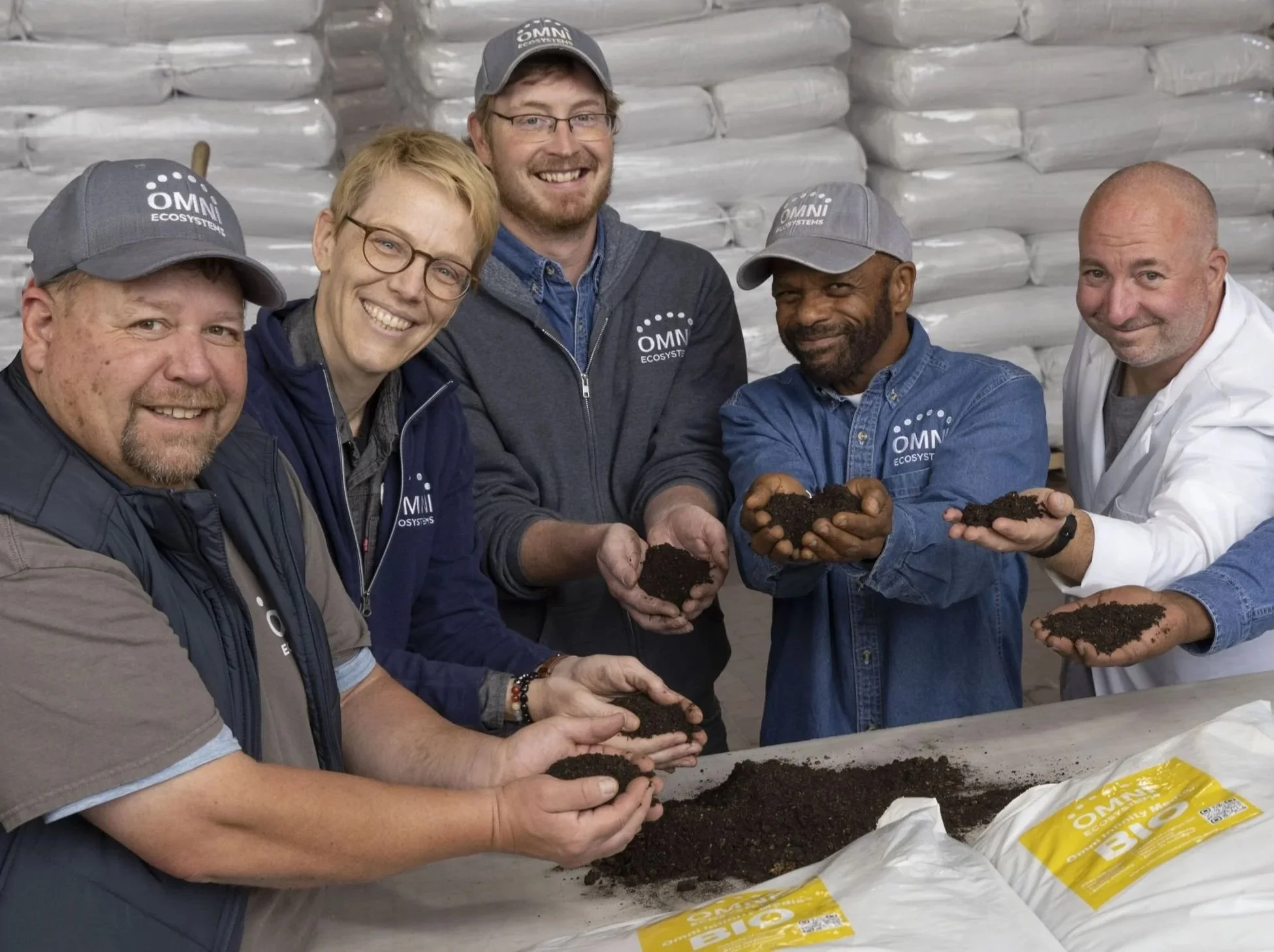
Our core values guide how we think, act, and deliver, every day with each other, our vendors, and our customers.
Integrity
We act and communicate with honesty, accountability, and consistency — even when it’s difficult — in service of our long-term vision.
Agility
We learn by doing — iterating quickly, staying curious, and adapting as new information and conditions emerge.
Collaboration
Recognizing that resources are finite and that good ideas can come from anywhere, we combine our strengths and ground our decisions in evidence to create meaningful outcomes.
-
![]()
Production Technician
-
![]()
Accounting Manager
-
![]()
Director of Technical Guidance
-
![]()
Director of Research & Development
-
![]()
CEO & Director of Technical Sales
-
![]()
Production Manager





Omni Ecosystems’ Origin & Evolution
Where curiosity took root
Omni Ecosystems began with a simple question: How can life thrive where conventional thinking says it should not?
In the early 1980s, teenager Michael Repkin explored the Indiana Dunes along the southern shore of Lake Michigan and was captivated by a paradox. Towering oak savannahs were thriving atop hills composed largely of sand—an environment seemingly incapable of supporting such complex ecosystems. How were these trees finding enough water and nutrients to survive?
That curiosity became a lifelong pursuit to understand the hidden relationships between plants, microbes, and soil. Repkin went on to join the U.S. Army, where he worked in microbiology and asked the question: "How would we grow food on Mars?"
Decades later, that work would become the foundation of Omni Infinity Media®—a growth media designed not simply to support plants, but to help create the biological conditions where living soil can develop.
From green roofs to living infrastructure
In 2005, Molly Meyer completed their master's and bachelor's degrees in Earth Systems at Stanford University and began exploring how nature could be integrated into the built environment. After working as a carpenter in Seattle, Molly was a Robert Bosch Fellow in Germany, studying green roof design, construction, and maintenance with leaders in European green infrastructure.
Germany reinforced a powerful idea: nature should not be something separated from cities—it should be something woven into them.
Inspired by the possibility of making natural spaces more accessible, Molly relocated to Chicago, a city becoming a leader in green roof innovation and founded Omni Ecosystems.
Around the same time, Repkin returned to Chicago after retiring from the military and began experimenting with lightweight growth media that could support productive rooftop ecosystems. When they met in 2009, Molly encountered Repkin challenging conventional assumptions about what could grow on buildings—including crops of food, fuel, and fiber grown in only inches of growth media.
After visiting his projects like the True Nature Foods rooftop, Molly recognized that Repkin’s work represented a significant advancement in green infrastructure. Repkin recognized that Molly brought construction and market experience needed to bring the technology to a broader audience.
Together, they shared a vision: to democratize access to nature by making high-performance living landscapes possible in places where they were previously unimaginable.
Proving what is possible
Omni's earliest projects demonstrated what became a defining characteristic of the company: solving problems where conventional approaches fell short. Projects ranged from native prairie meadows grown entirely from seed to some of the first lightweight green infrastructure systems capable of supporting significant biodiversity on structures with limited capacity.
In 2013, Omni completed its first major institutional project: a 6,000-square-foot green roof above the recording studio of WFYI, Indianapolis’ public television and radio station. Originally designed to help reduce rainfall noise, the roof quickly became much more—a thriving meadow ecosystem supporting plants, insects, and wildlife while transforming the view from surrounding offices.
As Omni expanded, so did the possibilities for what green infrastructure could accomplish.
In 2016, Recover Green Roofs installed an 8,300-square-foot green roof at Harvard Business School using Omni Infinity Media. That same year, Omni partnered with Studio Gang Architects to create a native prairie rooftop atop their historic Chicago office. The project demonstrated that lightweight media could support not only diverse plant communities but also large woody vegetation and complex ecological interactions.
The rooftop was later recognized with a Green Roof Award of Excellence after producing an unexpected outcome: a successful harvest of rooftop-grown wheat that yielded 66 pounds of high-grad pastry flour—demonstrating the potential for productive agriculture on urban structures.
Building ecosystems & expanding beyond roofs
The Studio Gang project also revealed something deeper: when given the right conditions, even small urban spaces can support remarkable biodiversity.
Through ongoing monitoring and annual Bioblitz events, Omni documented the development of a native Midwest prairie ecosystem supporting hundreds of plant species along with birds, bees, bats, fungi, lichens, and countless insects.
This work reinforced a core Omni belief: Successful green infrastructure is not measured only by what is installed—it is measured by what develops over time.
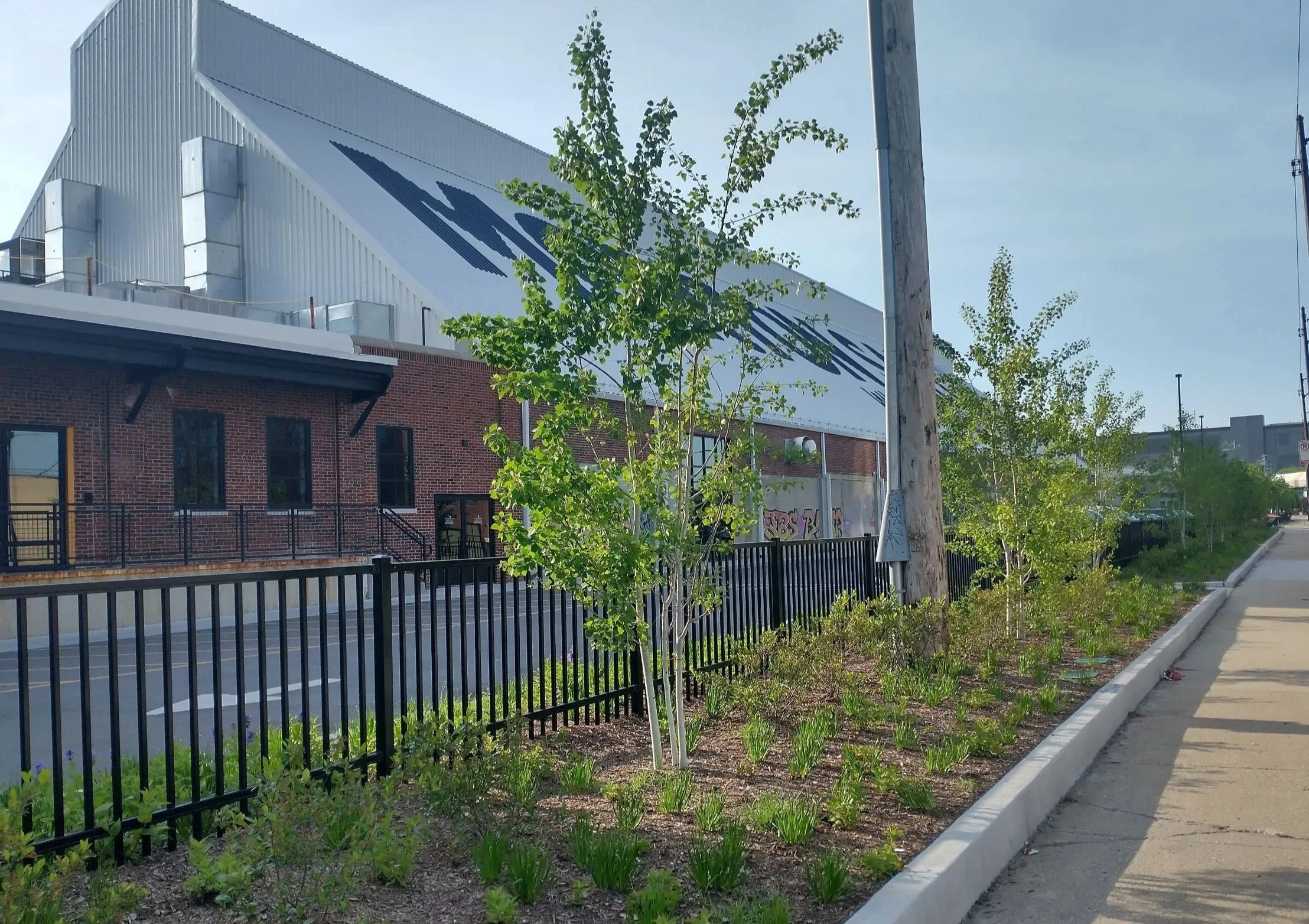
In 2017, Omni applied its technology in a new context: on-grade landscapes and stormwater infrastructure. Omni Infinity Media capped the existing contaminated soil at Chicago’s iconic Morton Salt site, now home to The Salt Shed concert venue. The use of Omni's growth media enabled the urban redevelopment project to meet stormwater requirements while eliminating off-site hauling of contaminants.
The project received the Metropolitan Water Reclamation District of Greater Chicago’s Sustainable Landscape Award and demonstrated that Omni’s approach significantly reduced the costs of landscaping, stormwater management, and environmental remediation.
Working for people and planet
Omni’s work also demonstrated that ecological performance and economic value can reinforce one another.
At the District House condominium project in Chicago, residences featuring green roof terraces built with Omni Infinity Media achieved significantly higher sales values than comparable units with traditional balconies. The project showed that living infrastructure can enhance not only environmental performance but also human experience and property value.
Growing the science behind living soil
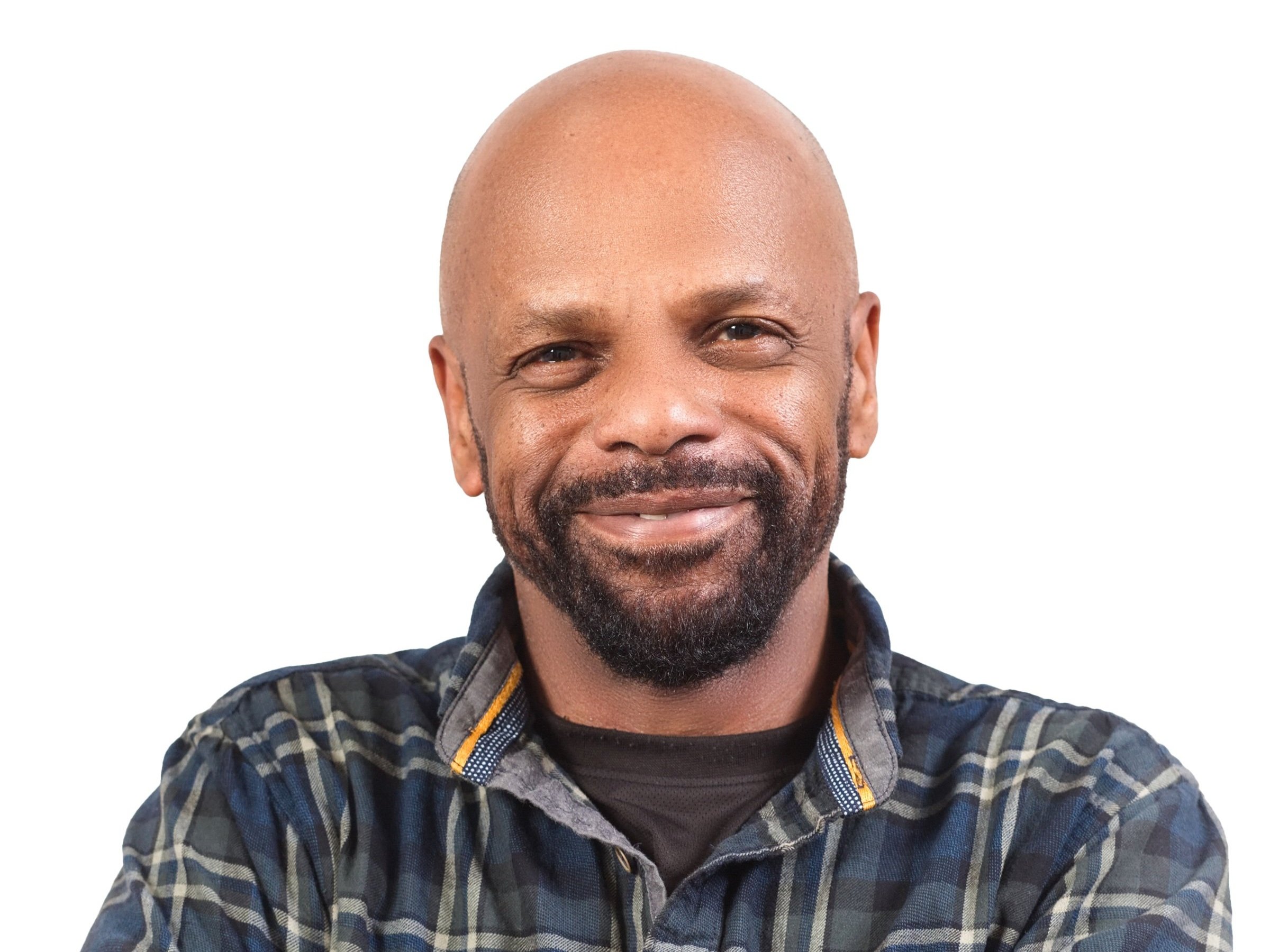
In 2018, Michael Bukka Davenport joined Omni, bringing more than 25 years of professional horticulture experience and a deep passion for biodiversity.
Previously focused on creating habitat-rich gardens at institutions including Fairchild Tropical Botanic Garden and Lincoln Park Zoo, Bukka recognized that Omni Infinity Media enabled plant diversity far beyond what was typical for growth media.
He helped expand Omni’s understanding of how plants, microbes, and wildlife interact within built environments—documenting plant performance across projects, advancing biodiversity-focused design, and developing technical guidance for designers, installers, and maintenance professionals.
Today, as Omni's Director of Technical Guidance, Bukka works directly with customers, landscape architects, engineers, contractors, and growers to help them select the right media, optimize planting strategies, troubleshoot project challenges, and maximize long-term landscape performance. His decades of field experience ensure that customers receive practical, science-based guidance from concept through installation and beyond.
A new home for innovation
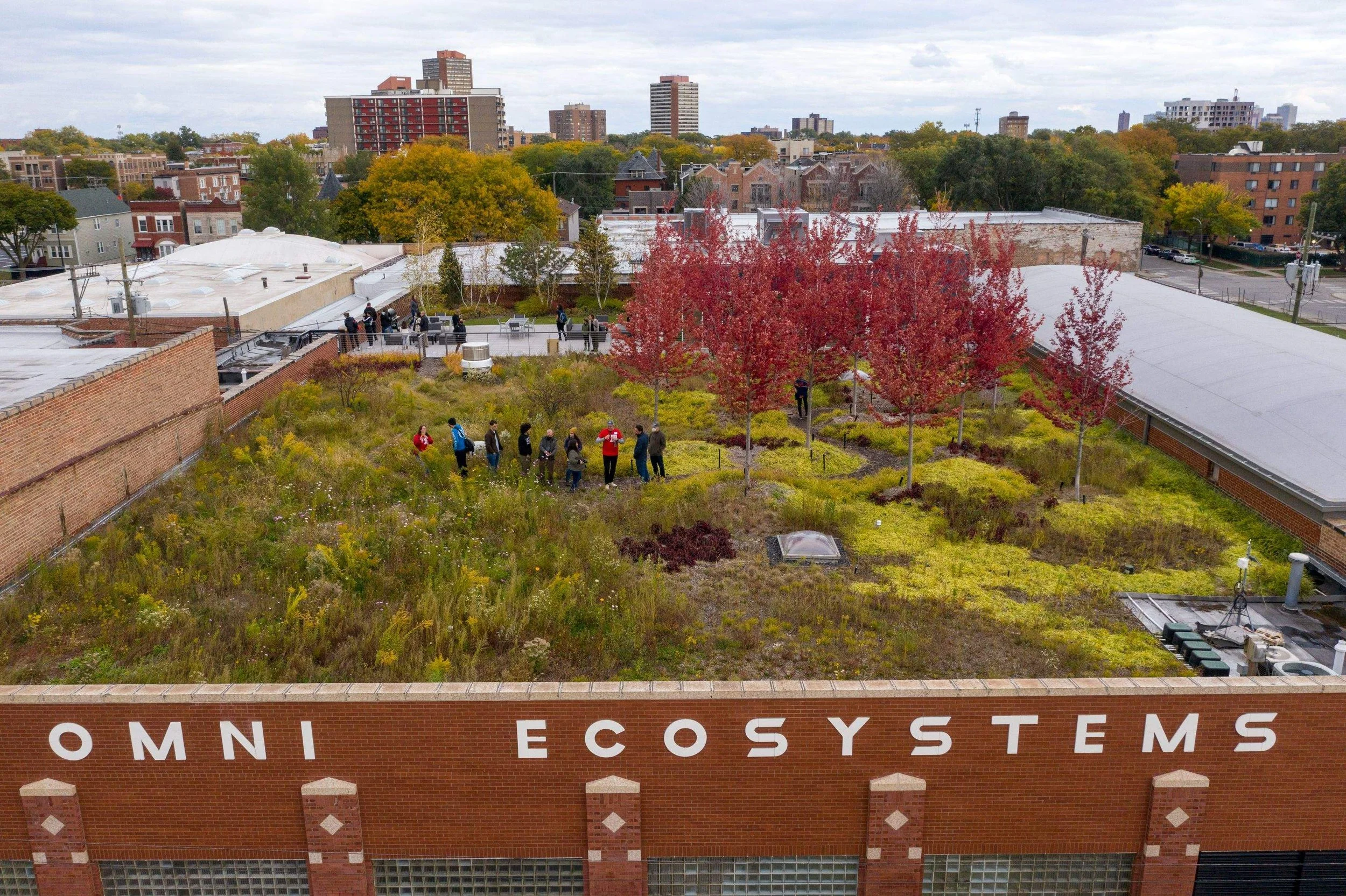
By 2019, Omni had outgrown its West Loop headquarters and acquired a 2.5-acre former industrial site in Chicago’s Bronzeville neighborhood. The adaptive reuse of the 1923-built Bowman Dairy Company facility created a headquarters designed around Omni’s multidisciplinary work: offices, research and development space, a material library, warehouse, plant conservatory, outdoor growing areas, and expansive green infrastructure.
Located within the INVEST South/West initiative area and directly across from the former Robert Taylor Homes site, Omni’s headquarters represents a commitment to participating in Bronzeville’s ongoing revitalization. Through local hiring, partnerships with South Side contractors, community programming, and shared use of its space, Omni seeks to contribute to the neighborhood as a long-term community partner.
This commitment is reflected through initiatives including Seed A Lot: Sidewalk Share, created for the Chicago Architecture Biennial, which transformed a vacant parcel, formerly housing a dry-cleaning facility, into a rewilded landscape for stormwater management, community gathering, and wildlife habitat. Omni has also supported local organizations and events including the IIT Youth STEM Expo, Strides for Peace Race to End Gun Violence, Chicago Youth Corps, Build Bronzeville and the Quad Communities Development Corporation.
Refining the company around its core technology
As Omni’s capabilities expanded, so did its understanding of where it could create the greatest impact. During this period of growth, Shane McGowan joined Omni and quickly developed a deep understanding of what it takes to bring living infrastructure from concept to reality.
As Omni evolved, Shane’s role evolved with it. He became Team Lead and Omni Products Specialist, helping translate Omni’s innovative soil technology into efficient, repeatable installation practices. Today, Shane oversees Omni’s production operations with a focus on quality, safety, process improvement, and customer support. As Production Manager, he has strengthened supplier relationships, streamlined manufacturing processes, expanded production capacity, and helped establish Omni Infinity Media as a fully scalable, shelf-stable product that could be shipped and installed nationwide.
From 2022 through 2024, Omni underwent a strategic evolution—transitioning away from installation, maintenance, and design services to focus entirely on its core strength: development of living soil products. Omni divested its installation and maintenance operations, transitioned its landscape architecture studio to Greenprint Partners, and renewed its focus on Omni Infinity Media as the foundation of the company’s future. This evolution returned Omni to its roots: understanding soil, supporting natural systems, and helping others create resilient landscapes.
The next chapter: growing soil everywhere
In 2025, Omni reintroduced itself to the marketplace with a renewed mission: create living infrastructure by developing living soils and empowering the experts who build it.
Working with engineers, architects, contractors, scientists, property owners, manufacturers, and distributors, Omni collaborates with experts who share a commitment to nature-based solutions.
Today, Omni Infinity Media is used nationwide in green roofs, bioretention systems, planters, and other green infrastructure applications.
Recent milestones include:
More than 1,000 documented plant taxa successfully grown in Omni Infinity Media.
Completion of ambitious projects including University of Chicago’s Hyde Park Labs, The Park at North Union, and Apple Miami Worldcenter.
DNA testing confirming that Omni Infinity Media delivers a diverse microbial community containing more than 1,500 microbial species and demonstrating long-term persistence and community development in installed landscapes.
Research identifying microbial species with potential applications in soil restoration and bioremediation.
Field testing demonstrating exceptional plant resilience during extended drought conditions without irrigation.
For more than two decades, Omni has explored one fundamental idea: Healthy ecosystems begin with healthy soil.
And soil is all we do.


Ready to build better green infrastructure?
Whether you are creating a green roof, a bioretention system, a planter, or an innovative research project, Omni can help you create infrastructure that performs today and continues to improve tomorrow.
-
Reach out to us today to get pricing for your next project.
-
Let’s discuss your current project.
-
Find product data sheets, specifications, details, and more in our Technical Document Library.